Xbox Shares 25th Anniversary Magazine, With News on Helix
The console will mark a transition to a new way of gaming
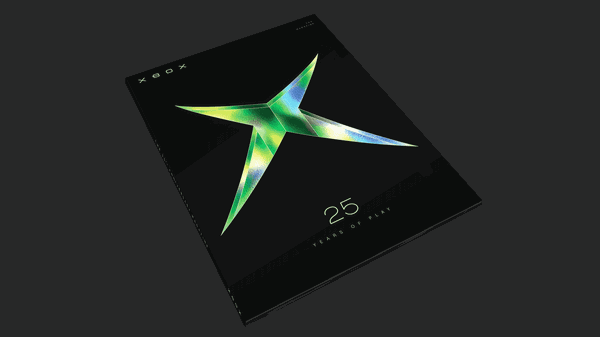


The Xbox console family has just turned 25 years old and Microsoft celebrated the occasion with various initiatives, including The 25th Anniversary Magazine. This is a special publication that not only retraces the past of the Xbox gaming ecosystem but, more importantly, allows us to get a sneak peek into its future: the games that are about to be released and the next generation of consoles.
Project Helix: a console to play everything
The Magazine is freely available on Xbox Wire and contains an interview with Jason Ronald, Vice President of Next Generation at Xbox, who provides some insights into the future console. The goal of Project Helix will be to break down traditional barriers in the enjoyment of gaming content, immediately making available the libraries of various Xbox generations and their respective saves.
Similarly, with Helix, it will be possible to play PC games, information we were already aware of: Ronald specifies, however, that the system is a console, not a PC, meaning it will retain those characteristics of immediacy and ease of use that should distinguish consoles. At the same time, more "tech-savvy" users, if they want greater control over settings, will be able to modify Helix's parameters according to their needs.
Project Helix not only intends to break down barriers between different generations of platforms but also between different types of devices: Xbox will continue on the path it has already forged, which is to transfer gaming from the console to a plurality of devices, such as portable ones. Another barrier to break down will be that of user-generated content: Helix will strengthen the bond with the community, giving players greater control over the gaming experience.
Project Helix looks to neural rendering
Another aspect touched upon by Ronald is the theme of artificial intelligence: his words reveal a certain fascination with neural rendering, which is seen as a new way to increase frame generation without having to increase hardware power in turn (a sensitive point, in a period when RAM costs a fortune). Ronald argues that we will see more innovation in the next 3-5 years than there has been in the previous decade.
Similar articles