Marvel: AI Could Reduce Visual Effects Costs
DOP Matthew Libatique is exploring these possibilities with Darren Aronofsky
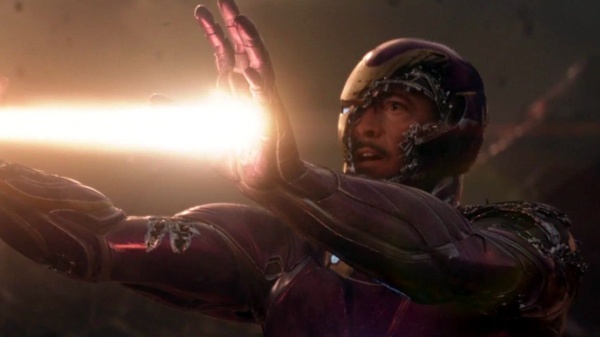


Artificial intelligence could modify the production processes of major Hollywood studios, especially regarding computer graphics visual effects. This is the perspective outlined by Matthew Libatique, cinematographer for the first two Iron Man films, who believes that even entities like Marvel Studios could resort to these tools to contain the expenses of their blockbusters.
Interviewed by Variety during the Evolution Mallorca International Film Festival, the filmmaker identified digital effects work as one of the areas with the greatest potential for savings. However, this is not a strategy announced by Marvel, but a possible evolution of film productions.
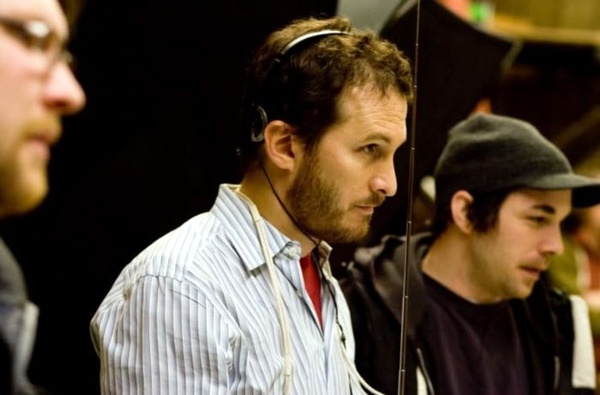
Experimentation with the great Darren Aronofsky
Libatique rightly distinguishes technical work from interpretation: in his opinion, the charisma of actors like Robert Downey Jr. and Chris Evans represents something a machine cannot replicate. The audience recognizes in the characters the personality of the performers who made them memorable.
The director of photography cites Zack Snyder's 300 as an example of a production built through massive use of digital effects, a model that today could benefit from further automation tools. Libatique himself is exploring these possibilities with Darren Aronofsky and the project Primordial Soup, born from a collaboration with Google DeepMind. The experiments also involve practical applications in post-production, where he has already used machine learning systems to correct unwanted reflections in images.
However, the employment issue remains open: automation risks penalizing numerous professionals, while the use of artistic styles without adequate recognition fuels new controversies. For major Hollywood productions, cost containment could become a significant incentive. The challenge will be to exploit these possibilities without compromising the work and creative contribution of the craftspeople who make every film possible.
Similar articles